May 9, 2026
Mono no Aware — The Beauty of Impermanence
The Japanese concept of mono no aware — a bittersweet awareness that nothing lasts — is deeply intertwined with why ikigai matters at all.
The phrase
Mono no aware (物の哀れ) is typically translated as "the pathos of things" or "an empathy toward things." A more evocative rendering: the bittersweet awareness of impermanence. The pronunciation is roughly moh-no no ah-wah-reh.
The concept was articulated by the 18th-century Japanese scholar Motoori Norinaga, who used it to describe the emotional register of classical Japanese literature — particularly The Tale of Genji. But the sensibility it names is older and wider than any single text.
What it actually feels like
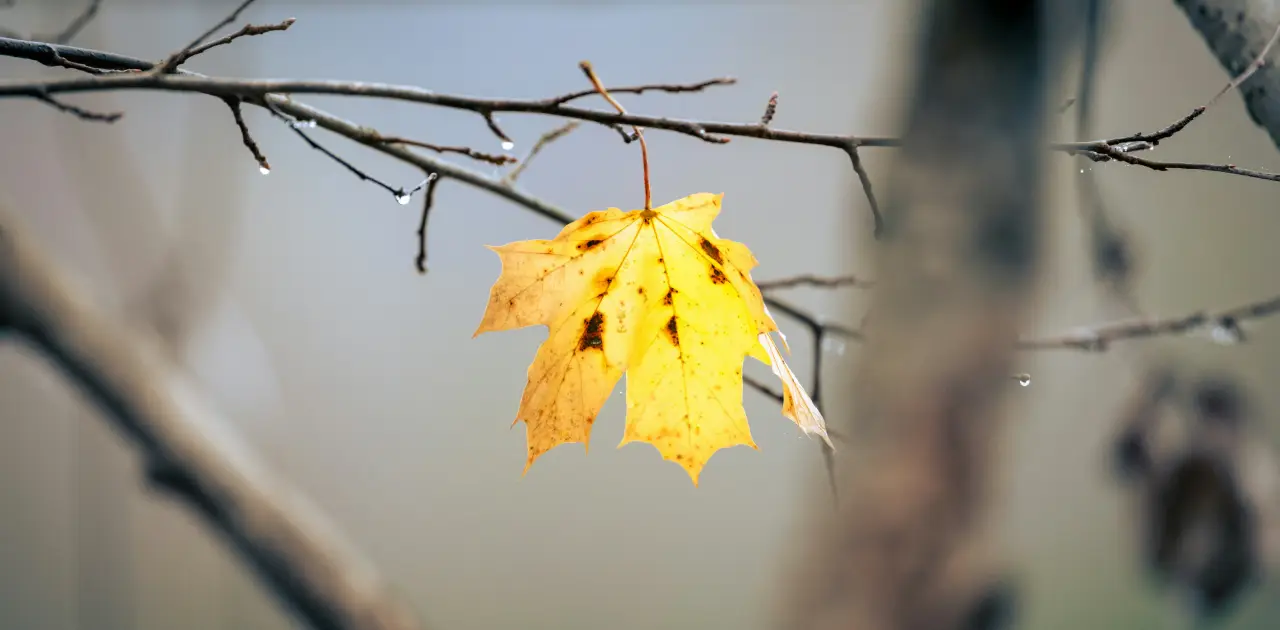
Mono no aware is the feeling you get watching the last light of a summer evening. It is the particular beauty of cherry blossoms — sakura — which the Japanese celebrate with an intensity that puzzles outsiders until you understand that part of what is being celebrated is the falling. The blossoms are most beautiful because they last only a week or two.
The aware in the phrase carries a dual meaning: "pathos" or "sorrow," but also "sensitivity" or "being moved." It is not pure sadness. It is the ache of caring deeply about something precisely because it will not stay.
Why it connects to ikigai
Ikigai and mono no aware are linked by a shared logic: if nothing lasts, then what you do with your time today is what matters. The Japanese approach to meaning doesn't defer satisfaction to some future state of having-figured-it-out. It locates meaning in the texture of present experience — the morning ritual, the craft practiced over years, the relationships tended daily.
Mono no aware provides the emotional ground for this. If you didn't feel the weight of impermanence, there would be no urgency to attend to what gives your days value. The awareness that things pass is what makes the present moment worth noticing.
In practice
You don't need to adopt the full philosophical apparatus to benefit from this sensibility. The practical version is simple: pay attention to what moves you. Notice when something — a conversation, a piece of work, a moment in nature — lands with particular weight. That weight is often a signal about what matters to you.
The Japanese aesthetic tradition treats this kind of attention as a skill worth cultivating. It shows up in the tea ceremony, in the design of gardens, in the writing of haiku — all practices that slow perception down enough to let the significance of small things register. The aesthetic sensibility behind this is closely related to wabi-sabi, which finds beauty specifically in what is imperfect and worn.
The link to cherry blossoms
The hanami tradition — gathering under cherry trees to eat, drink, and watch the blossoms — is perhaps the most visible cultural expression of mono no aware. The parties are joyful, not mournful. But the joy is inseparable from the knowledge that by next week, the petals will be on the ground.
This is a useful corrective to any approach to ikigai that treats it as a puzzle to be solved once. Meaning isn't a destination. It blooms in seasons, and attending to it while it's present is the whole practice.
Mono no aware in literature and art
Motoori Norinaga developed the concept primarily through his analysis of The Tale of Genji, an 11th-century novel by Murasaki Shikibu. Norinaga argued that the novel's emotional power came from its sustained attention to the transience of things — the way people, seasons, and relationships change and disappear. He saw mono no aware as the defining quality of Japanese aesthetic feeling, what makes a reader or viewer genuinely moved rather than merely entertained.
The aesthetic shows up across Japanese art forms in recognizable ways. In haiku, the strict brevity is partly a formal choice and partly a philosophical one: a poem that captures a single moment implicitly acknowledges that the moment is already passing. Matsuo Bashō's most famous haiku — furuike ya / kawazu tobikomu / mizu no oto ("An old silent pond / A frog jumps into the pond / Splash! Silence again") — is a study in impermanence: the sound arrives and vanishes in the same gesture.
In cinema, the films of Yasujirō Ozu — particularly Tokyo Story — are often described as a sustained cinematic expression of mono no aware. Parents visit children who have grown too busy to truly receive them; the moment of connection is real and fleeting simultaneously. Nothing dramatic happens, and yet everything that matters is present.
Applying it to career and purpose decisions
The practical import of mono no aware for self-reflection is subtle but real. If you're waiting for the right moment to commit to a direction — once you have more certainty, once conditions are better, once you feel ready — the concept offers a gentle challenge: the moment you're in is also passing. The readiness you're waiting for may not arrive on its own; it tends to be built through engagement, not found in advance.
There's also something useful in the concept for handling endings and transitions. A career you loved that no longer fits, a project that ran its course, a role you've outgrown — these carry a particular kind of weight. Mono no aware names that weight without pathologizing it. It's appropriate to feel the aware of something ending. That feeling is a sign of genuine engagement, not a problem to be solved.
The flip side: things that are ending sometimes deserve more attention, not less. If a phase of life is closing — a project wrapping up, a stage of parenting changing, a chapter ending — the mono no aware sensibility suggests: pay attention now, while it's still here. The ikigai framework at its best is also this kind of attentive practice, asking what gives your current life meaning rather than deferring the question to some future optimized state.
Frequently Asked Questions
Is mono no aware the same as sadness or melancholy? Not exactly. The word aware contains both pathos and sensitivity — it's the capacity to be moved, not purely to be saddened. The feeling it names is bittersweet: genuinely touched by something precisely because it won't last. A sunset is beautiful partly because it's ending. That recognition carries as much wonder as grief.
Is mono no aware unique to Japanese culture? The concept was articulated within Japanese aesthetics, but the underlying experience isn't unique. Many cultures have analogous ideas — the Portuguese saudade, the Welsh hiraeth, the English "poignant beauty." What makes mono no aware distinctive is how consciously it was cultivated as an aesthetic value in Japan, rather than simply acknowledged as a feeling.
How does mono no aware relate to mindfulness? There's significant overlap. Both involve paying close attention to present experience, and both suggest that ordinary moments have more depth than casual attention reveals. The difference is that mindfulness is often framed as a technique for managing mental states, while mono no aware is primarily an aesthetic orientation — a way of relating to the world's transience rather than a stress-reduction practice.
Can you cultivate mono no aware deliberately? In a sense. Practices that slow perception — time in nature, careful attention to craft, periods of quiet — tend to open people to the bittersweet dimension of experience. The main obstacle is the modern tendency to move fast and fill silence, which keeps the aware from registering at all.
A good place to start attending: take the Ikigai test and see what your interests reveal about where your meaning currently lives.