At a glance
- Code
- HSEG
- Leans
- Hands-on · Solo · Explorer · Giving
- Interests that tend to fit
- Gardening, Team Sports, Conservation, Outdoor Adventures, Sustainability, Martial Arts
What being The Ranger means
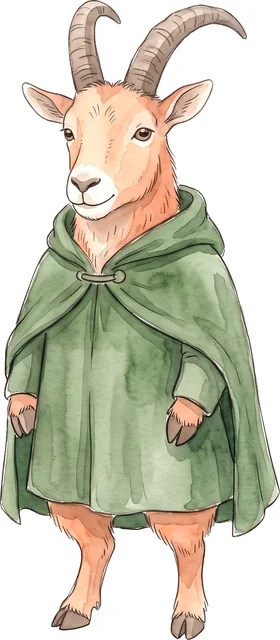
You're independent, practical and happiest out in the world rather than behind a desk. You go where you're needed and look after the places and people others overlook.
You explore the world and protect what matters. You feel most alive outdoors, on your own feet, close to places and creatures that depend on someone paying attention. You like freedom, and you give it back by looking after what you love.
What it often looks like
- You'd choose a trail over a meeting room.
- You prefer to follow your instincts, not a fixed schedule.
- You are self-reliant and calm when conditions change.
- You feel responsible for the places and people you care about.
How the four leanings fit together
Your type comes from four choices in the test. Each one is a lean, not a box: most people sit somewhere between the two poles.
- Hands-on over ideas. You learn by doing, and you trust what you can see, touch and try.
- Solo over team. You concentrate and recharge best without an audience.
- Explorer over planner. You'd rather start and adjust. Too much planning feels like standing still.
- Giving over mastery. What pulls you forward is the difference your work makes to other people.
Strengths
- Self-reliance and practical field skills
- Staying calm when things are uncertain
- Reading a landscape, a situation or a person
- Quiet courage
- Commitment to protecting what you value
Watch-outs
Every type has a shadow side. These are the ones The Ranger tends to meet.
- Disappearing. Stay in touch with the people who care about you.
- Doing everything yourself. Others can help protect what you love.
- Resisting routine and paperwork that make the work sustainable.
- Restlessness indoors. Build outdoor time into your week.
The What's Holding You Back? quiz looks at five common habits like these.
Where The Ranger tends to thrive
These are examples of where the pattern fits, not a list of jobs you must pick from.
- Park ranger, guide and outdoor education roles
- Conservation, wildlife and field research
- Search and rescue, and outdoor safety
- Sustainable tourism and environmental work
The Ikigai test goes further: it asks what you love, what you are good at, what the world needs and what you can be paid for, for the specific interests you choose.
One letter away: the neighbouring types
Your type sits next to four others. Each differs from The Ranger by exactly one leaning. If you scored close to the middle on an axis, you may recognise yourself in a neighbour too.
- If you lean Ideas instead of Hands-onThe SageSeeks understanding to light the way for others.
- If you lean Team instead of SoloThe ChampionRallies people into action for a cause.
- If you lean Planner instead of ExplorerThe GardenerTends to things patiently so they can flourish.
- If you lean Mastery instead of GivingThe MakerLearns by building, tinkering and testing.
Frequently asked questions
What does The Ranger mean in the Ikigai Type Test?
It is the result for someone who leans Hands-on · Solo · Explorer · Giving. It describes how you like to work, not how good you are at it.
Is the Ikigai Type Test scientifically validated?
No. It is a short reflection tool with our own axes and names, meant to help you think about how you like to work. It is not a clinical or psychological assessment.
Can my type change?
Yes. Your answers can shift with your life, your work or your mood. You can retake the test any time, and your Ikigai results and other quizzes are kept.
How do I find out my type?
Take the free test. It takes about two minutes, with no account or email.
Next steps
- Take the Ikigai Type Test if you haven't. It's free and quick.
- Find your Ikigai to match your type with interests you love, are good at, the world needs and you can be paid for.
- Add to your character. Each quiz unlocks an item on your shareable card: Strengths, Values, Career interests, all quizzes.
- Read more: what Ikigai means, purpose vs. passion, the four circles.